čeština
 slovenčina
 english

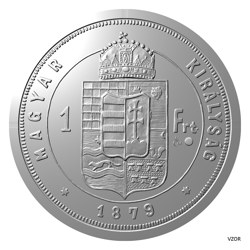
History of Slovak coins - goldsmith stand
Product description
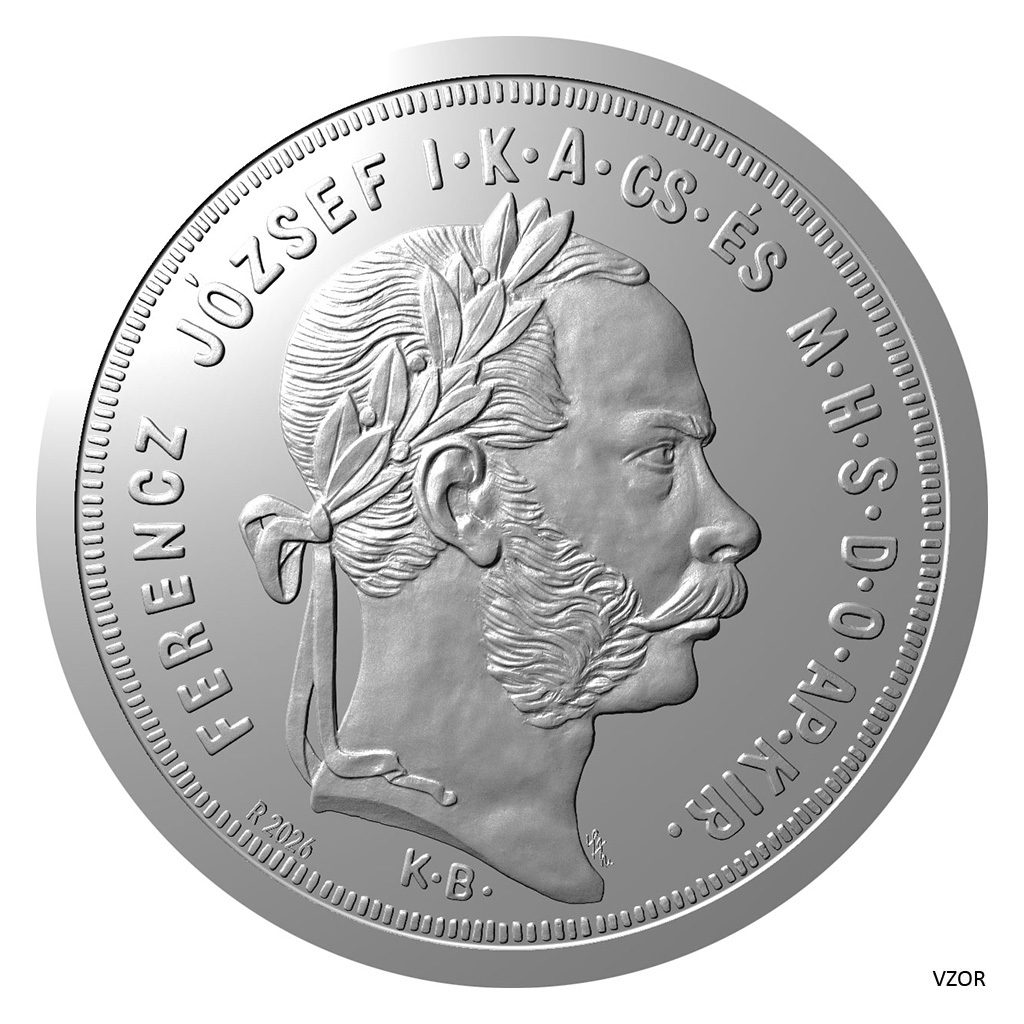
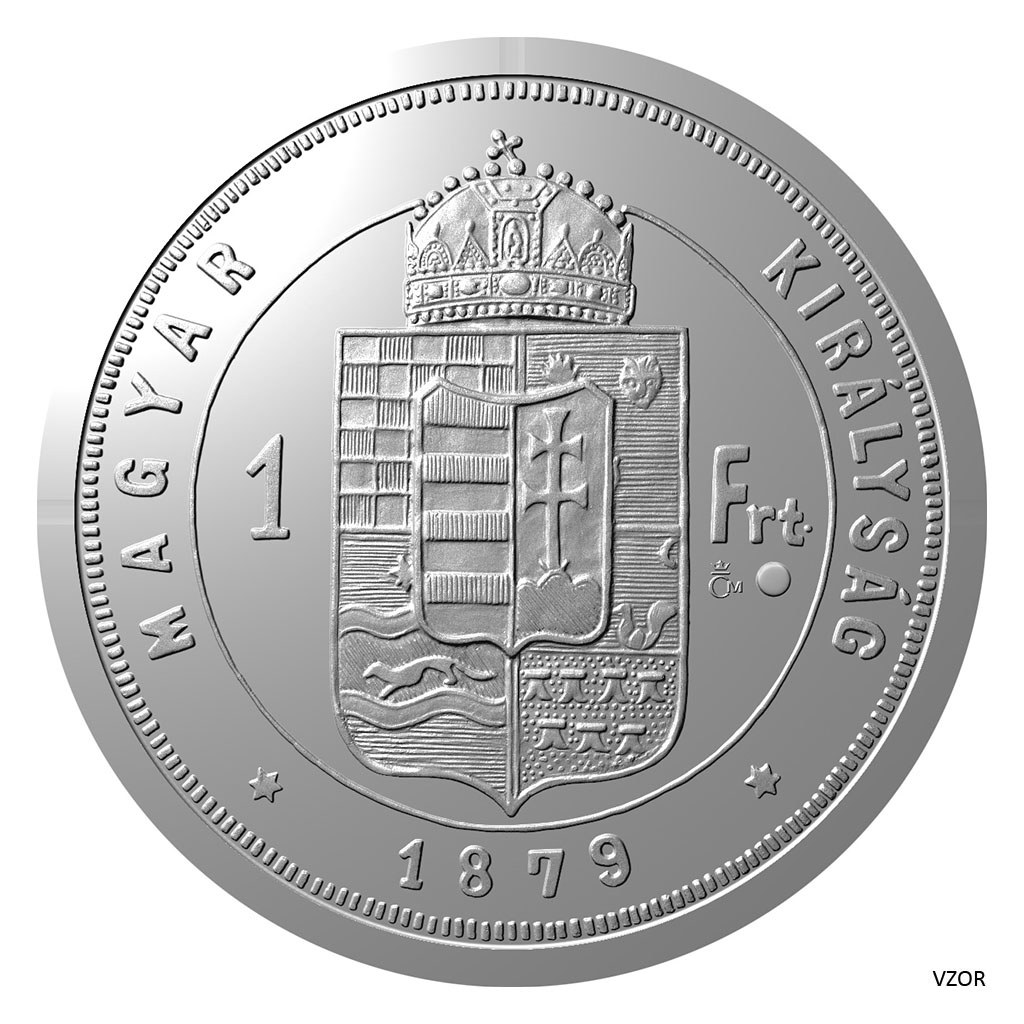
The second issue in the series by historian Marcel Pecník who commemorates the history of Slovak coinage, takes the form of a reissue of the gold florin.
The distinctive face of Franz Joseph I gazes down at us from a vast array of historical coins. After all, he reigned for an incredible 68 years from 1848 to 1916 over a vast territory that encompassed Central and Southeastern Europe. The portrait of the Habsburg emperor did not change much over the decades, but the monetary system of the Danube Monarchy underwent fundamental reforms in the 19th century. Currency here consisted of kreutzers, thalers, and gulden, which were also known as florins in Latin, forints in Hungary, or zlaté, zlatky, and zlatníky in the Czech lands. Despite their name, they were silver. One gulden was divided into 100 kreutzers since 1857. At that time, a civil servant’s monthly salary was 25 gold coins, and a bricklayer earned 35 gold coins a month; with one gold coin, they could buy a kilogram of butter or 5 kilograms of flour. In 1892, this system was replaced by the introduction of the Austro-Hungarian crown, which, unlike the previous silver currency, was based on gold. The exchange rate was 2 crowns to 1 gold coin, and since then the ten-crown coin has been called a “five,” as it was equivalent to five gold coins. However, the gulden remained legal tender until 1900…
A replica of the 1879 gold florin, featuring a profile portrait of Franz Joseph I and the Austro-Hungarian coat of arms, is minted from silver. Based on the original historical minting, it was made by medalist Lenka Nebeská, DiS.
The replica, which will delight not only children, is presented in educational packaging full of interesting facts and cheerful illustrations by Mgr. art. Bohdan Jankovič.
Specifications
Related products

You have currently an unfinished repurchase request in your shopping cart. The shopping cart must be completed or deleted to create a new request.
To delete your repurchase cart and start a new repurchase, select "Delete repurchase cart and start a new repurchase".
If you want to continue with the pending request, select "Continue to repurchase cart".
You currently have an unfinished repurchase request from the safe in your repurchase cart. It is not possible to combine repurchase from the safe with repurchase of unstored products. To create a new request, the repurchase cart must be completed or deleted.
To delete your repurchase cart and start a new repurchase, select "Delete repurchase cart and start a new repurchase".
If you want to continue with the pending request, select "Continue to repurchase cart".