čeština
 slovenčina
 english
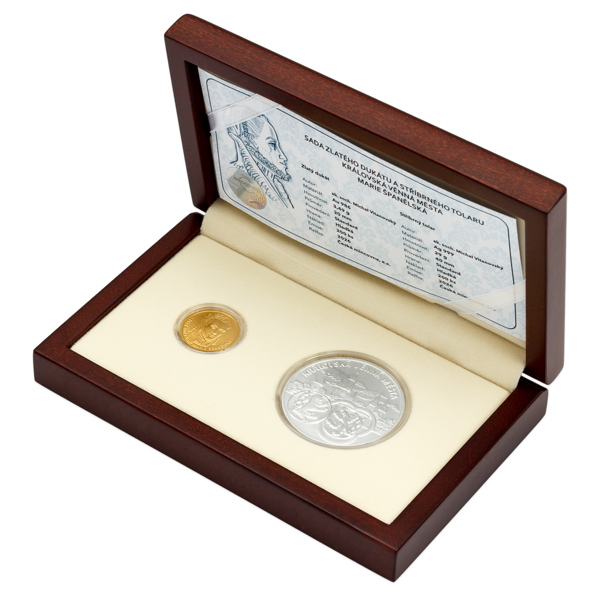
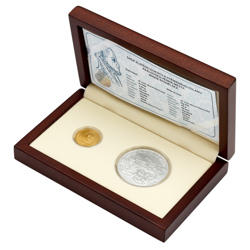
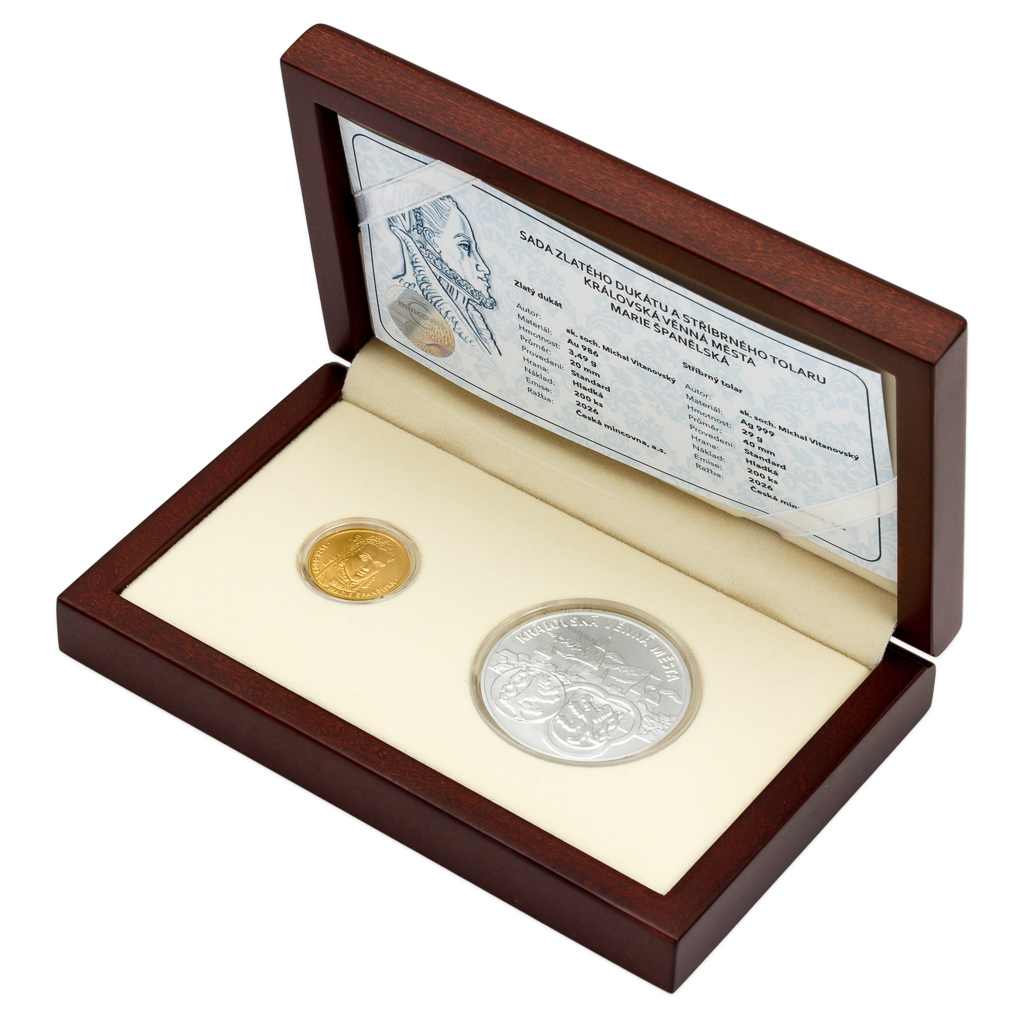
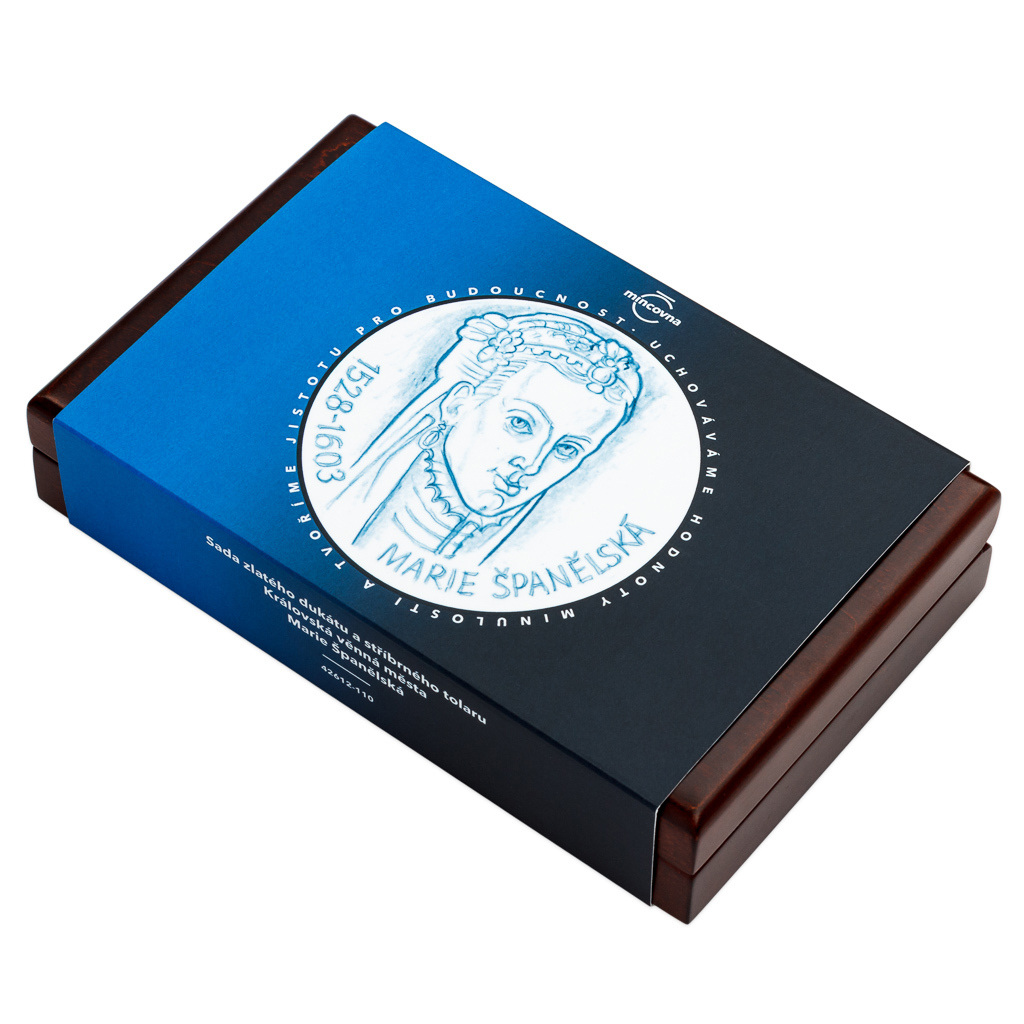
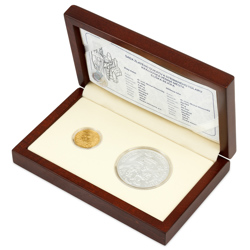
Set of gold ducat and silver thaler Dowry Towns of Bohemian Queens - Maria of Spain stand
Product description
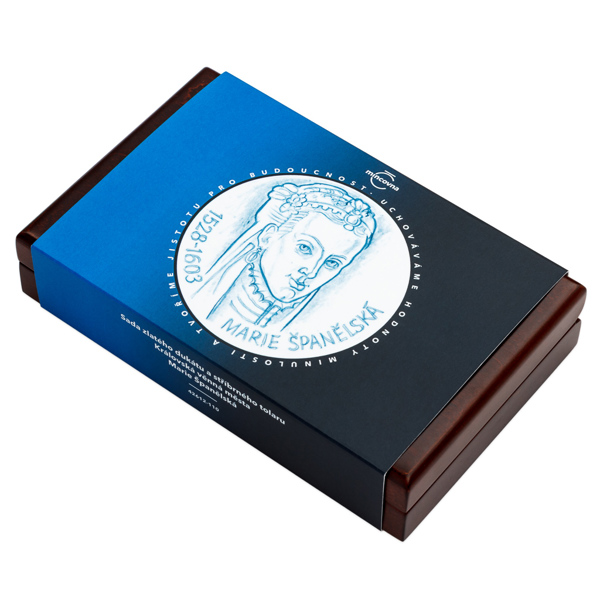
The third set of a gold ducat and a silver thaler from the Czech Mint’s series titled Royal Dowry Towns commemorates the turbulent life of Maria of Spain.
Ferdinand I of Habsburg was a staunch advocate of absolutism and the Catholic faith, but his son Maximilian II had shown sympathy for Protestantism from a young age. His father therefore decided to choose a wife for him who would exert a desirable influence on him. He found the ideal candidate in the Spanish Infanta Maria, who had been raised not only in the spirit of strict Catholicism, but also in the belief that fate itself had predestined the Habsburgs to lead the Christian world. The planned relationship had one catch - Maximilian and Maria were cousins, but the Church nevertheless permitted the marriage. After his father’s death in 1564, Maximilian assumed the throne. He ascended to the imperial throne and simultaneously became King of Hungary, Croatia, and Bohemia. The radical Maria was unable to change her tolerant husband, so she tried to influence at least their children, of whom they had sixteen in total. The couple settled in Vienna and visited Prague only a few times during his reign. However, when the emperor died, the widow moved to Prague Castle, where her eldest son - Emperor Rudolf II - also resided. There she participated in construction projects and financed the building of St. Adalbert’s Chapel, but she became embroiled in serious disputes with her son. Rudolf suffered from worsening mental instability. Marie could have taken refuge in her dowry town, the prosperous Nový Bydžov, but she did not care for the Czech lands, where tensions between Protestants and Catholics were running high. She preferred to return to her native Madrid, where she found refuge in a convent, and no longer interfered in politics. She died in peace and quiet - happy to live “in a land without heretics”.
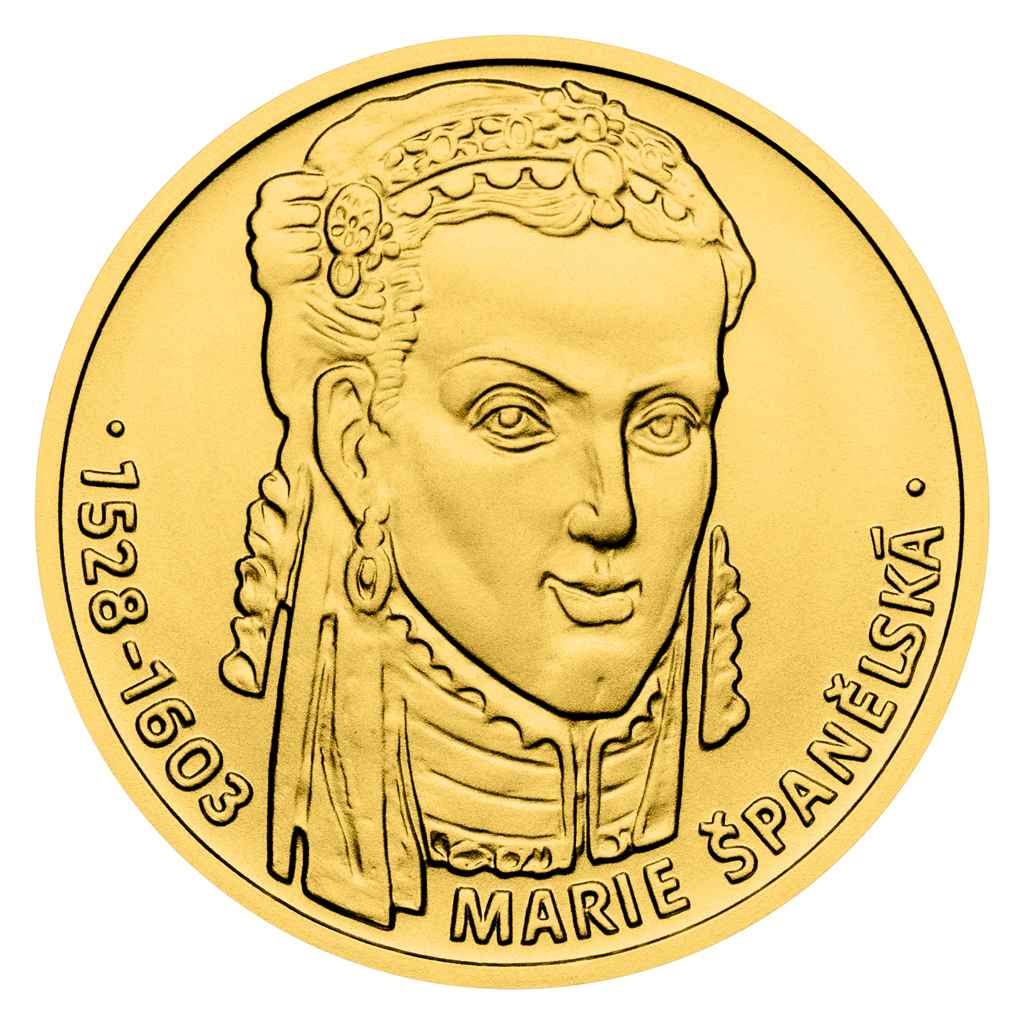
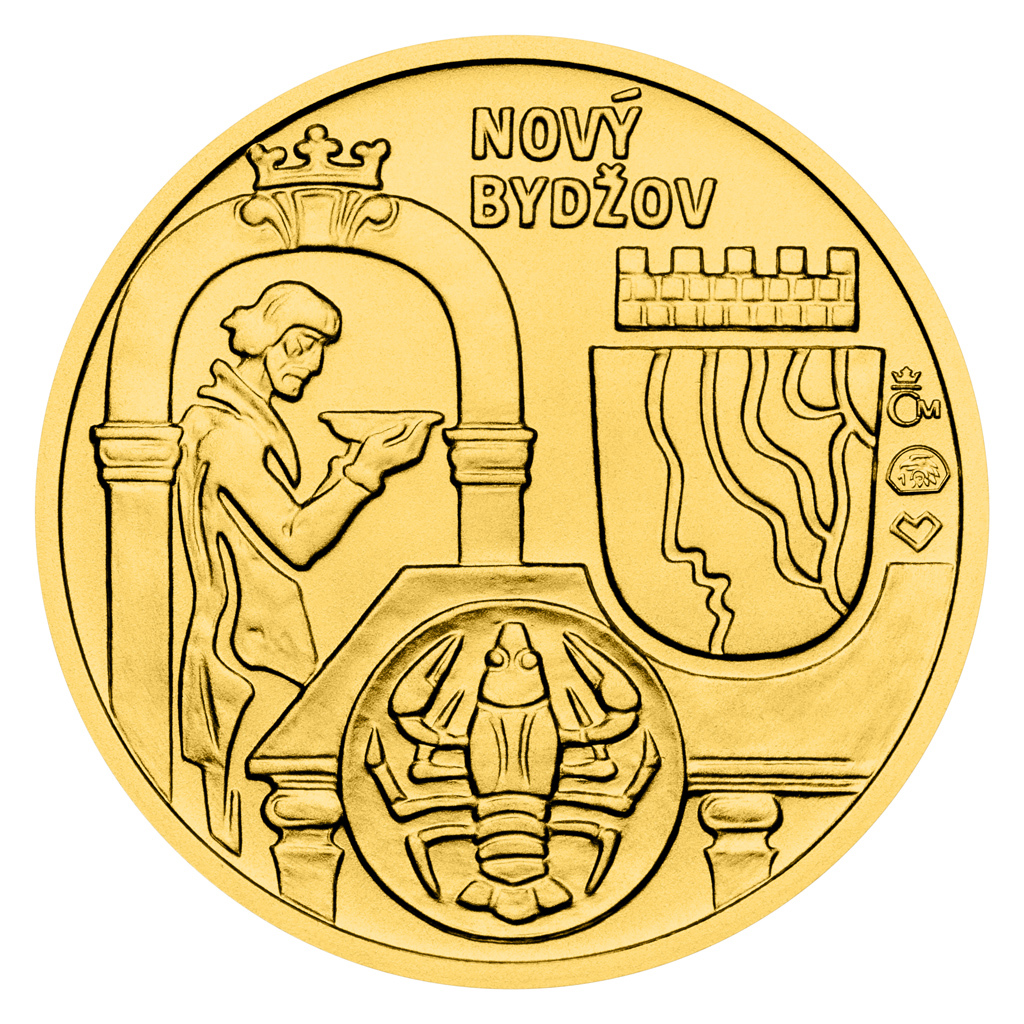
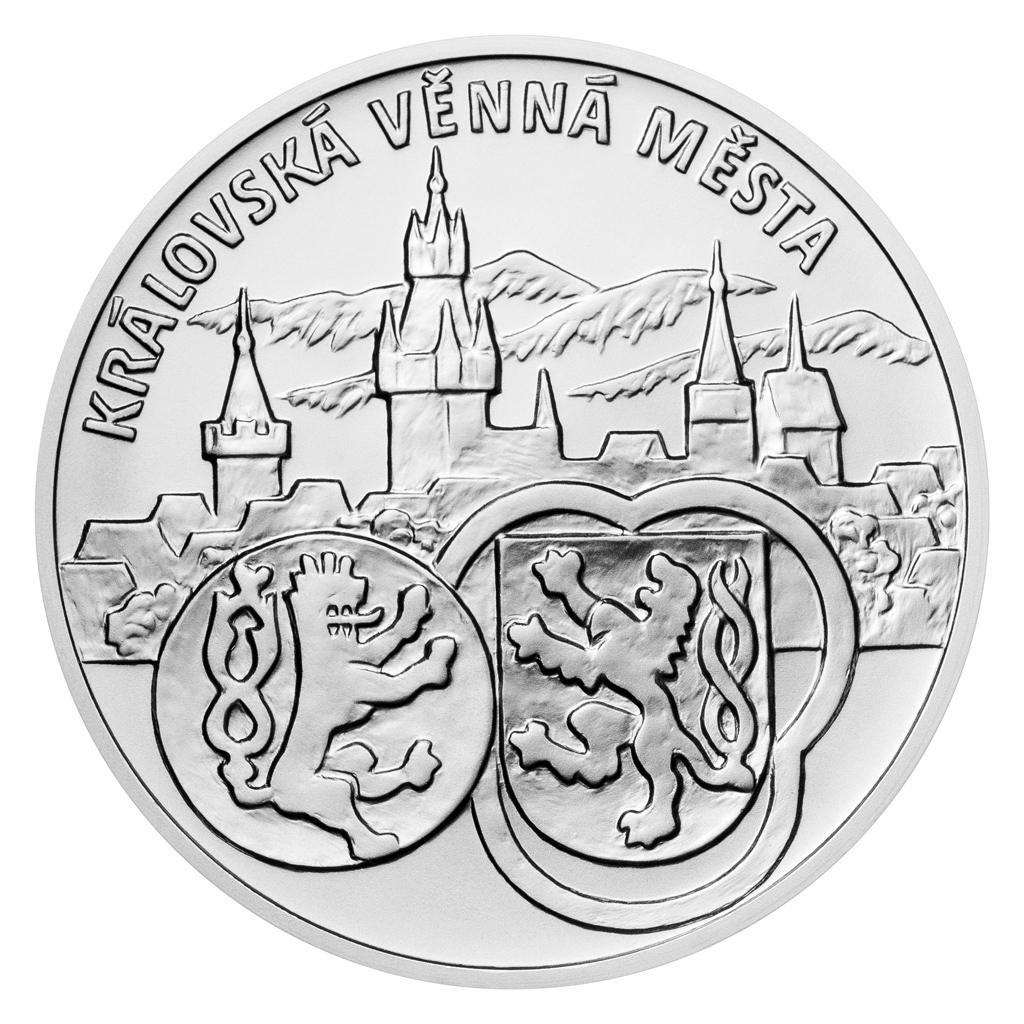
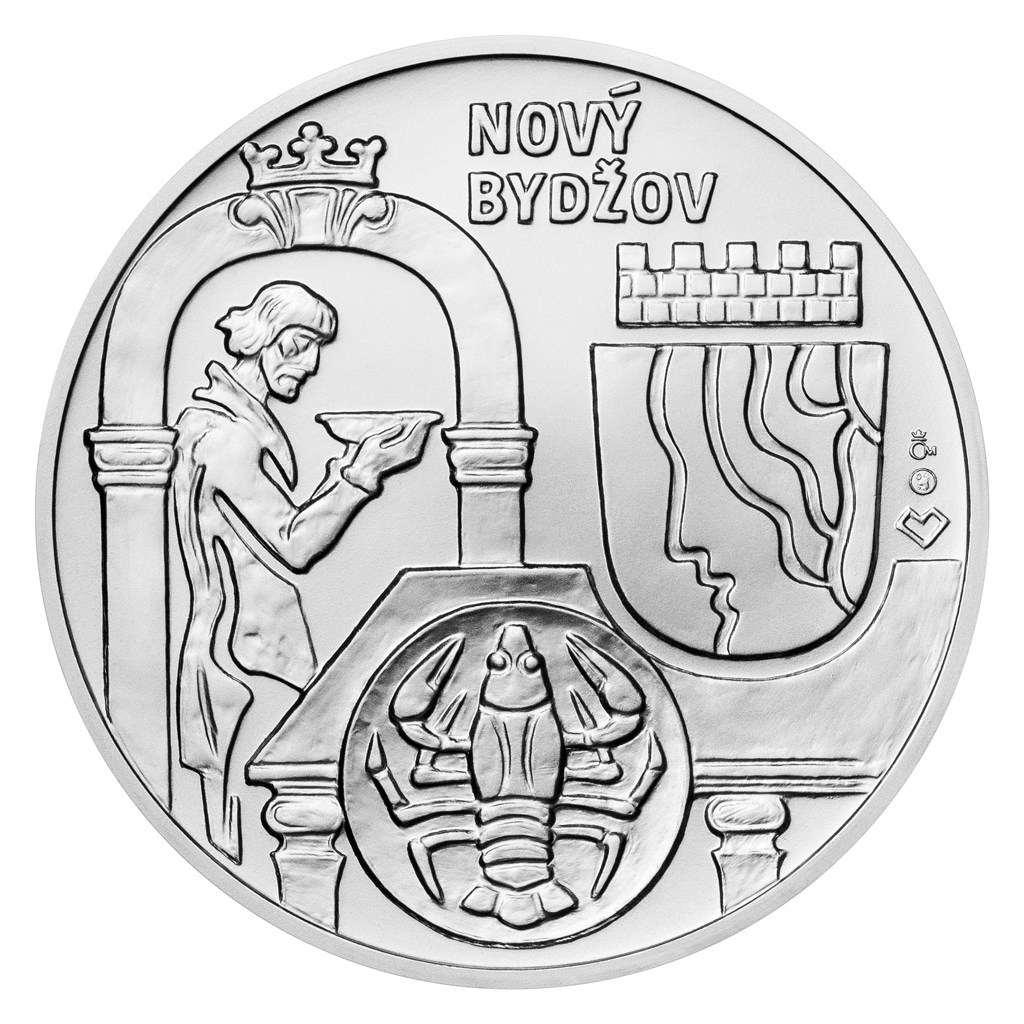
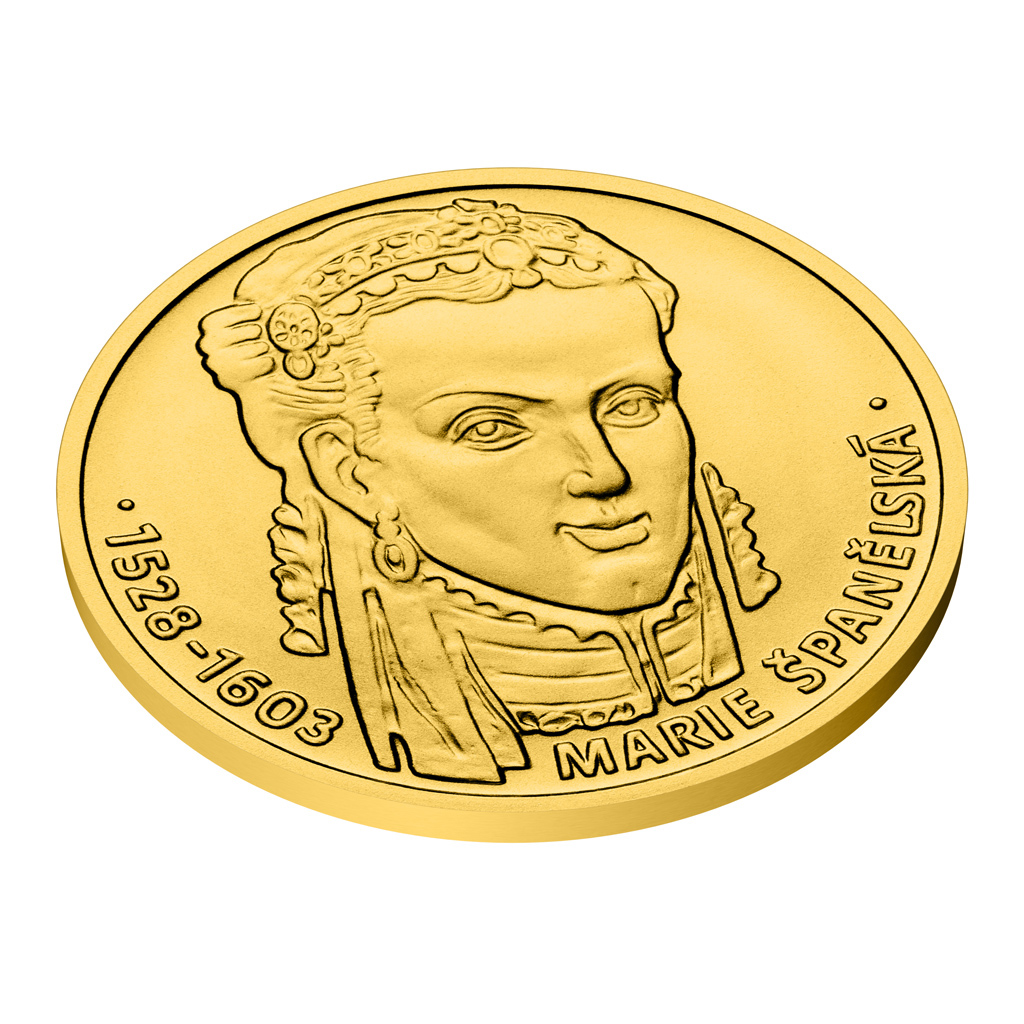
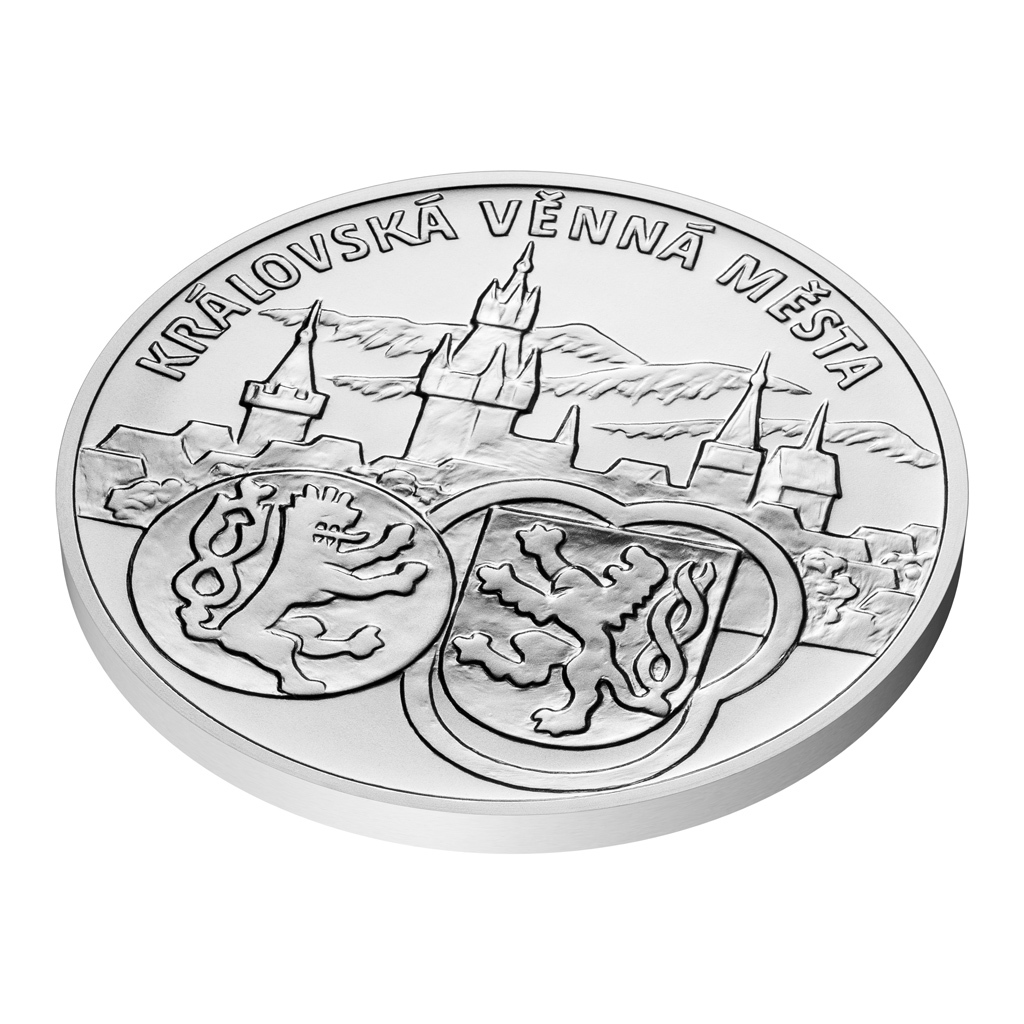
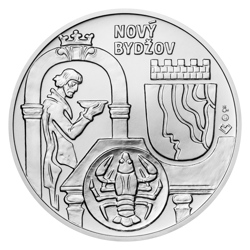
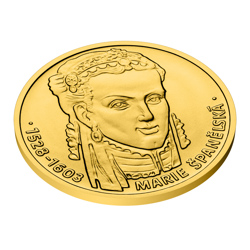
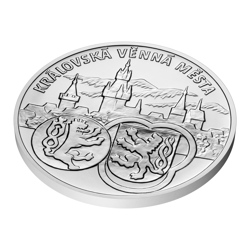
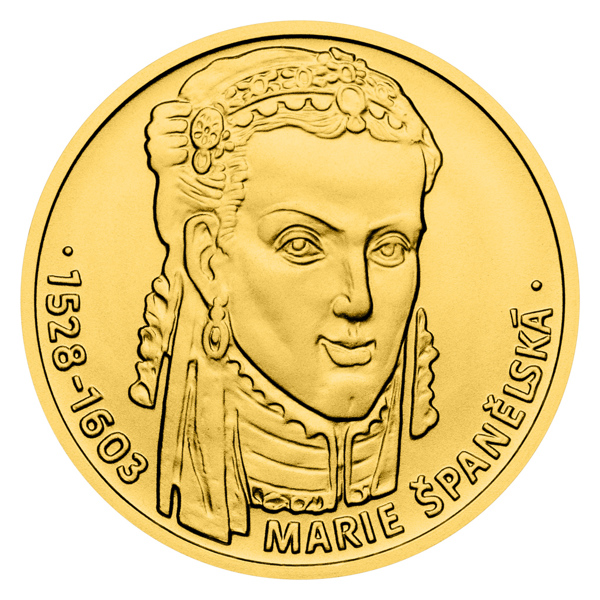
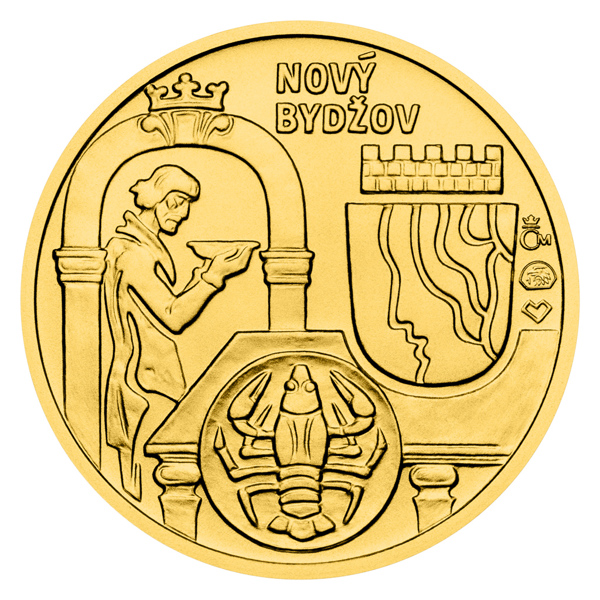
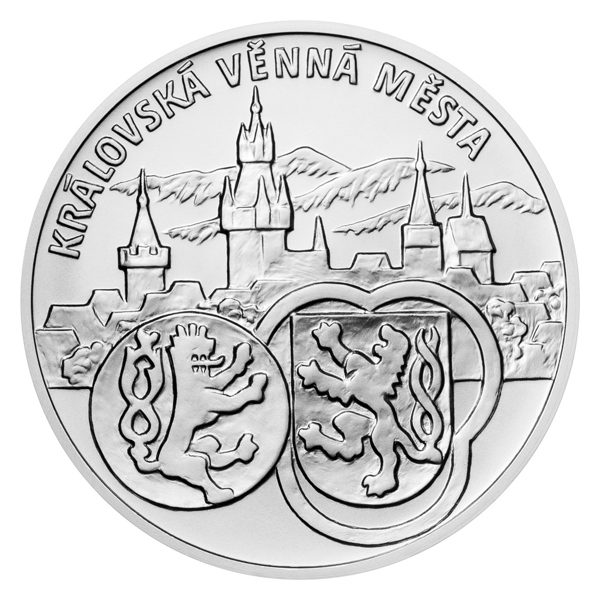
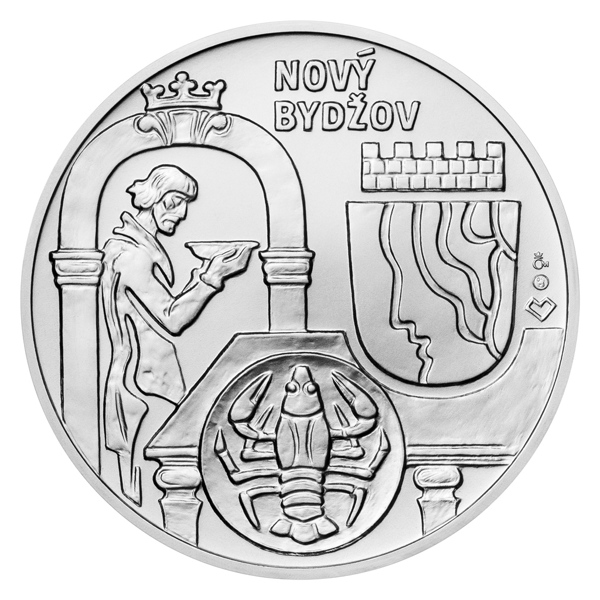
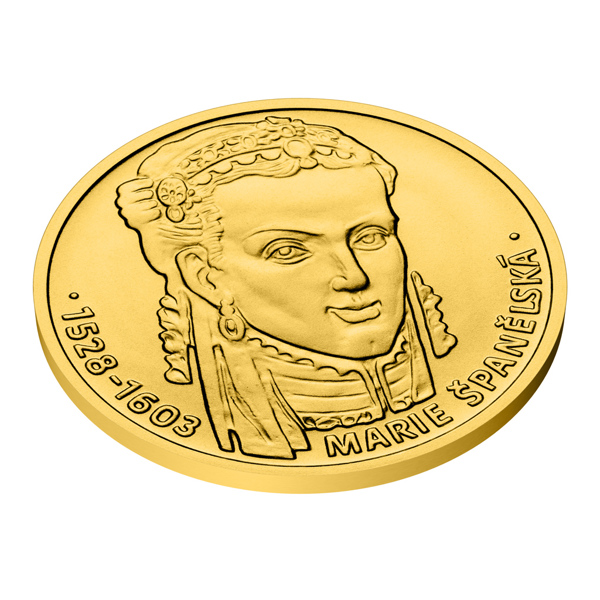
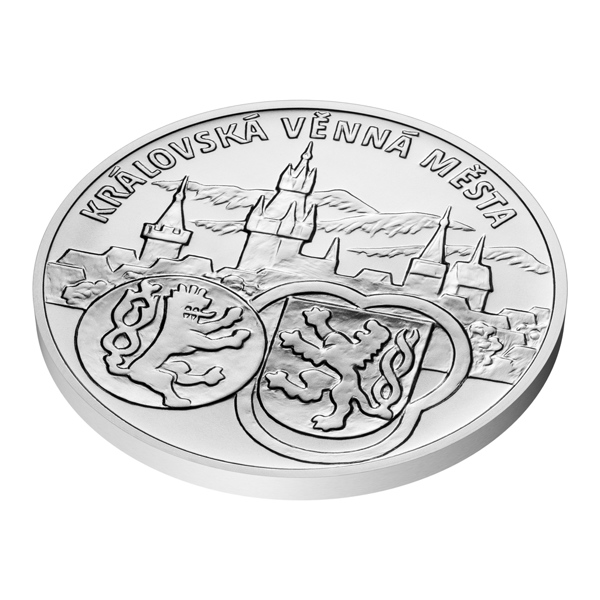
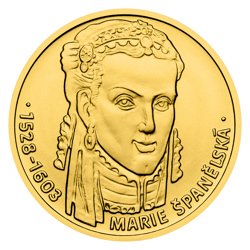
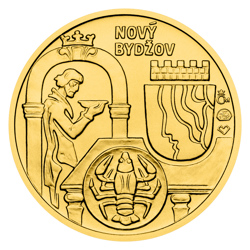
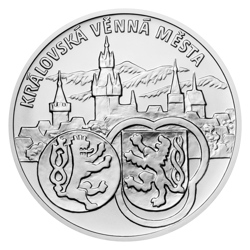
The two-piece set is the work of academic sculptor Michal Vitanovský. On the obverse side of the ducat, you will find a portrait of Maria of Spain from a three-quarter view. “Given her social status and an era that favored most fields of the visual arts, Mary of Spain was portrayed multiple times during her lifetime,” the artist reveals as his source of inspiration. The obverse of the thaler is dedicated to the queen’s only dowry town. “The model for the depiction of Nový Bydžov was a veduta dated 1536. A complementary motif consists of two heraldic lions from the keystones of the vault of St. Lawrence Church. Their distinctive feature is their slight differences from the figure of the Czech lion. One lacks a crown, the other is mirror-reversed,” explains the medalist. The reverse side, which is common to both the ducat and the thaler, presents the unifying element of the entire Czech Mint series- a shield with a woman’s profile, above which is placed a heraldic motif of a castle crown. The depiction of a crayfish and a set table then refers to a typical natural product supplied to the queen by Nový Bydžov.
The mintage of the gold-silver set totals just 200 pieces.
Specifications
Related products

You have currently an unfinished repurchase request in your shopping cart. The shopping cart must be completed or deleted to create a new request.
To delete your repurchase cart and start a new repurchase, select "Delete repurchase cart and start a new repurchase".
If you want to continue with the pending request, select "Continue to repurchase cart".
You currently have an unfinished repurchase request from the safe in your repurchase cart. It is not possible to combine repurchase from the safe with repurchase of unstored products. To create a new request, the repurchase cart must be completed or deleted.
To delete your repurchase cart and start a new repurchase, select "Delete repurchase cart and start a new repurchase".
If you want to continue with the pending request, select "Continue to repurchase cart".