čeština
 slovenčina
 english
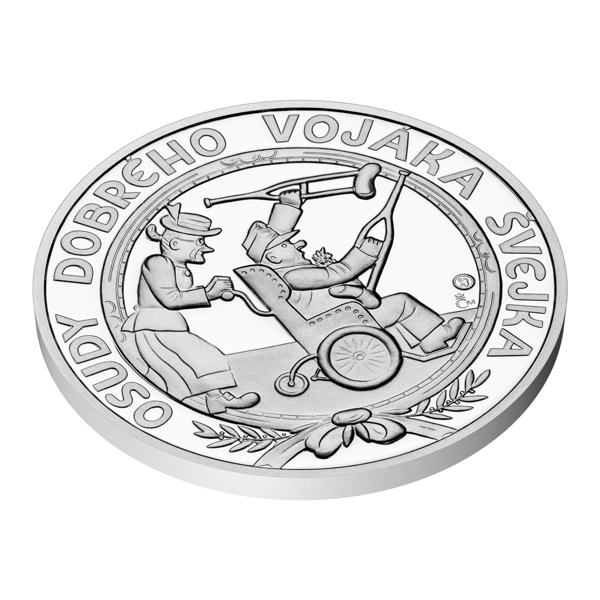
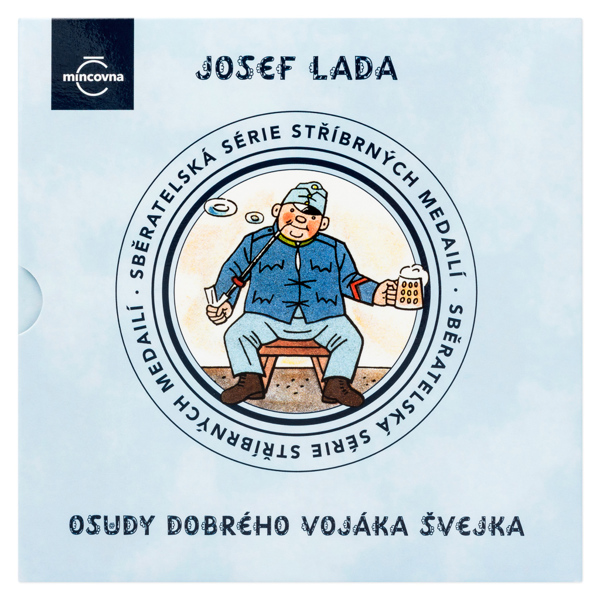
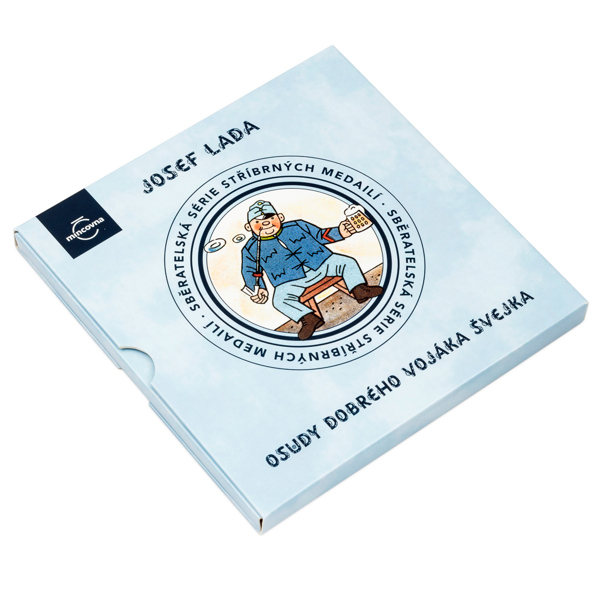
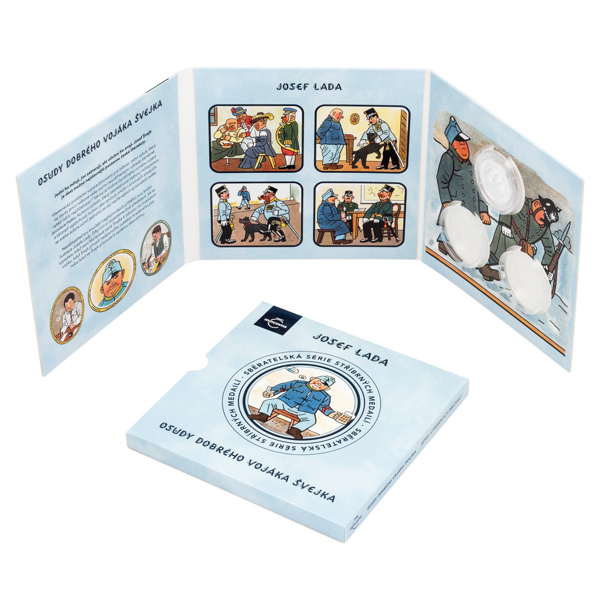
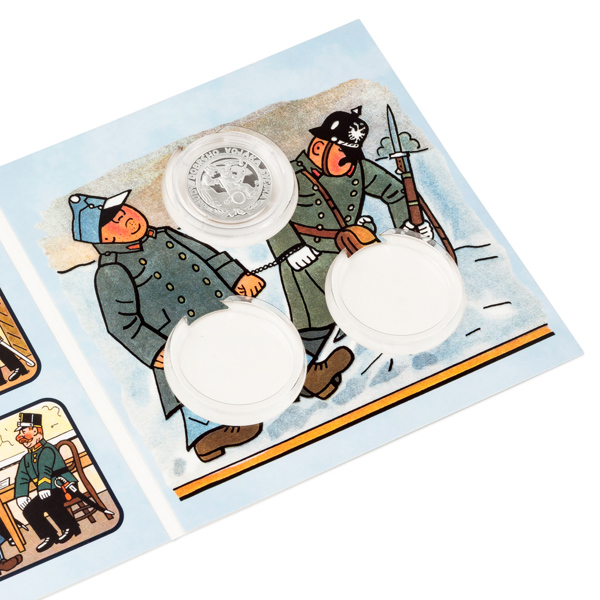
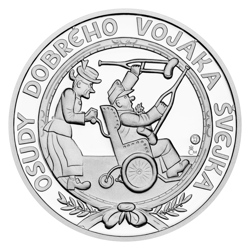
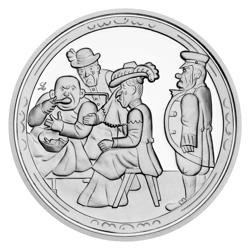
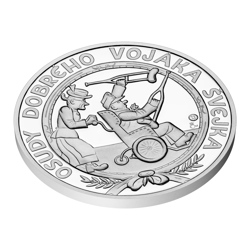
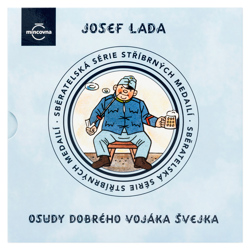
Silver medal Josef Lada - Fateful Adventures of the Good Soldier Svejk - Belgrade proof
Current repurchase price
will be offered
Repurchase follows repurchase rules.
Personal pickup at the store
Product description
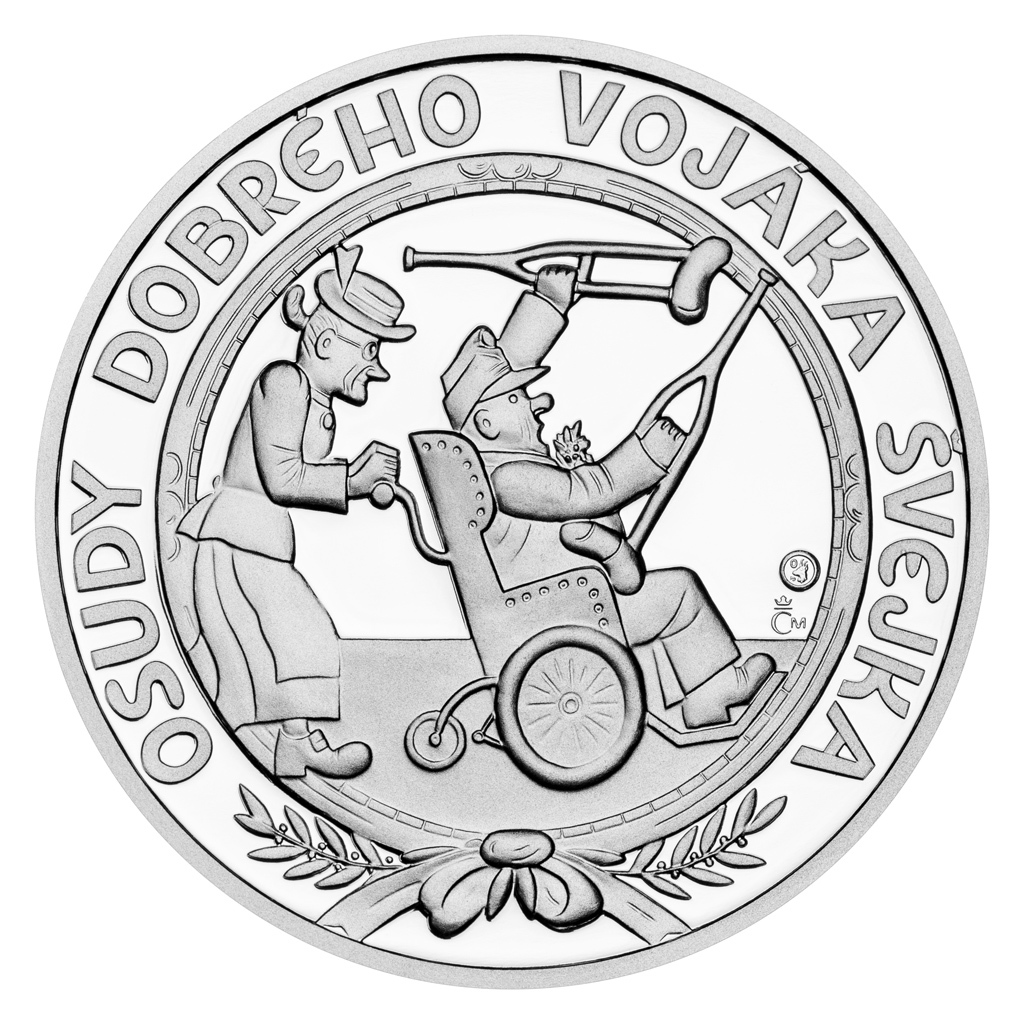
Some love him, others condemn him, but everyone knows him. The Good Soldier Švejk, created by writer Jaroslav Hašek, is quite possibly the most famous character in Czech literature. The miniseries of three silver medals from the Czech Mint, which commemorates his story through illustrations by Josef Lada, opens with the iconic scene featuring a wheelchair.
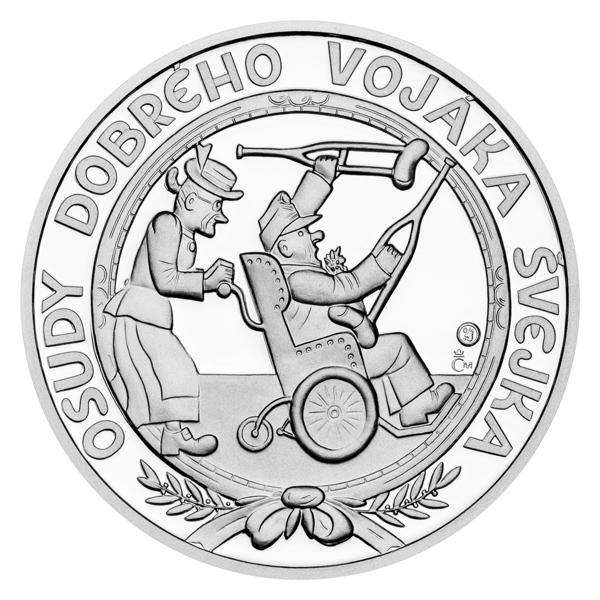
And so, on that memorable day, a touching display of loyalty appeared on the streets of Prague: An old woman pushing a cart in front of her, on which sat a man in a military cap with a polished peak, waving his crutches. And a colorful recruit’s flower shone on his coat. And the man, waving his crutches again and again, shouted into the streets of Prague: “To Belgrade, to Belgrade!” Behind him walked a crowd that kept growing from the small group that had gathered in front of the house from which Švejk had set off for the army. Švejk could see that the police officers standing at some intersections saluted him. On Wenceslas Square, the crowd around the cart carrying Švejk swelled to several hundred people…
One of the most famous scenes from the satirical novel, in which Josef Švejk rides to the conscription board in a wheelchair, perfectly captures the hero’s contradictory nature. Is he an absurdly obedient fool? Is he simply faking it to wriggle out of a difficult situation? Or is he playing a calculated game of chess with the bureaucratic apparatus? Literary critics have been debating this for over a century. Whatever the truth may be, one thing is certain—Švejk is the only one who retains humor and freedom of spirit in the absurd world at the dawn of World War I.
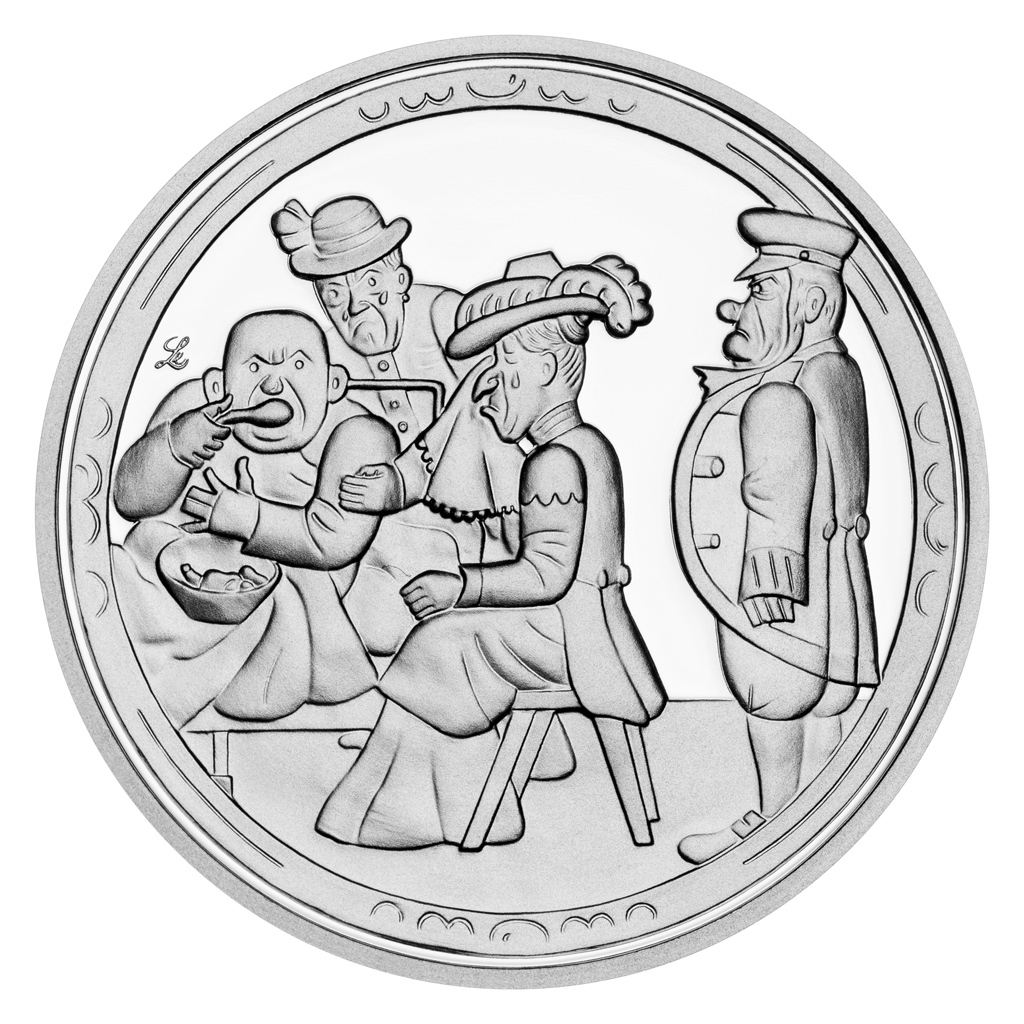
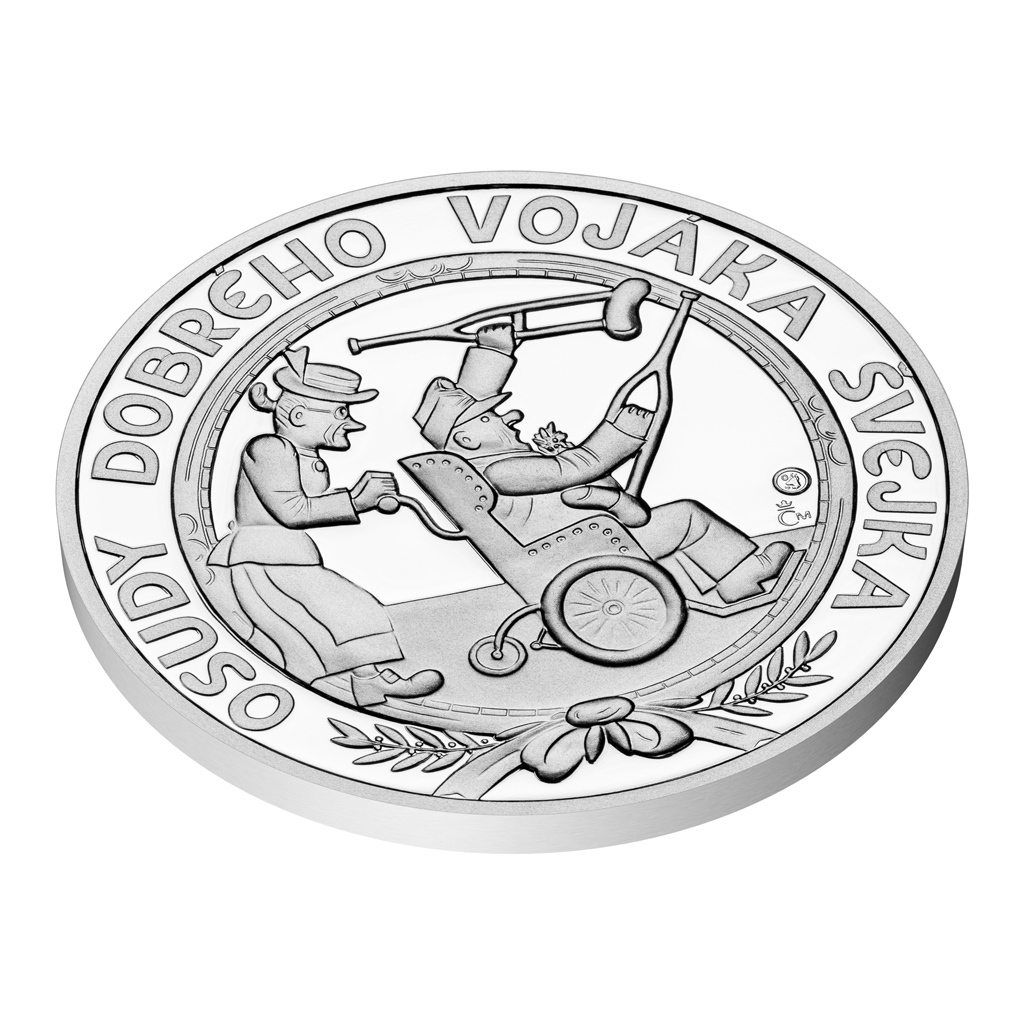
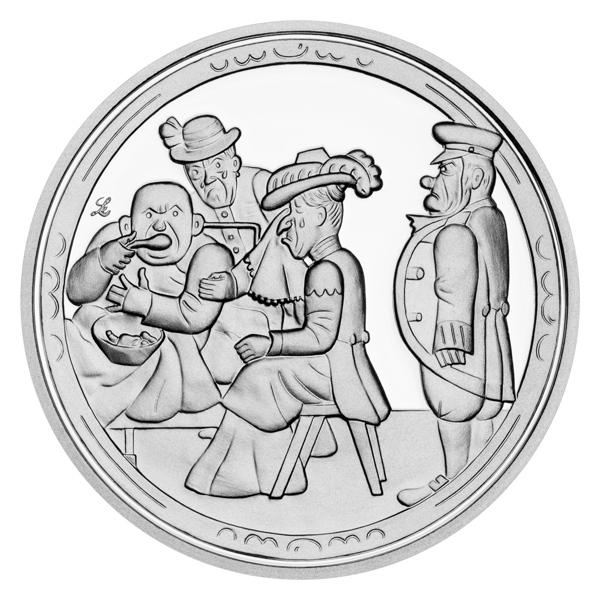
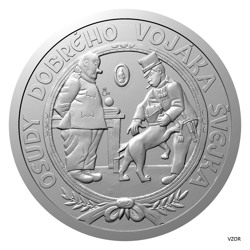
The commemorative medal, designed by medalist Ludmila Kracíková, DiS., is a faithful relief reconstruction of Josef Lada’s book illustrations. The obverse side depicts not only Švejk riding in a wheelchair and waving his crutches, but also his maid—Mrs. Müllerová. The reverse side depicts the consequences of Švejk’s actions, which led to his being sent to a hospital for malingerers. There he was visited by Baroness von Botzenheim, who was so moved by the Czech’s devotion to the monarchy that she prepared a feast for him.
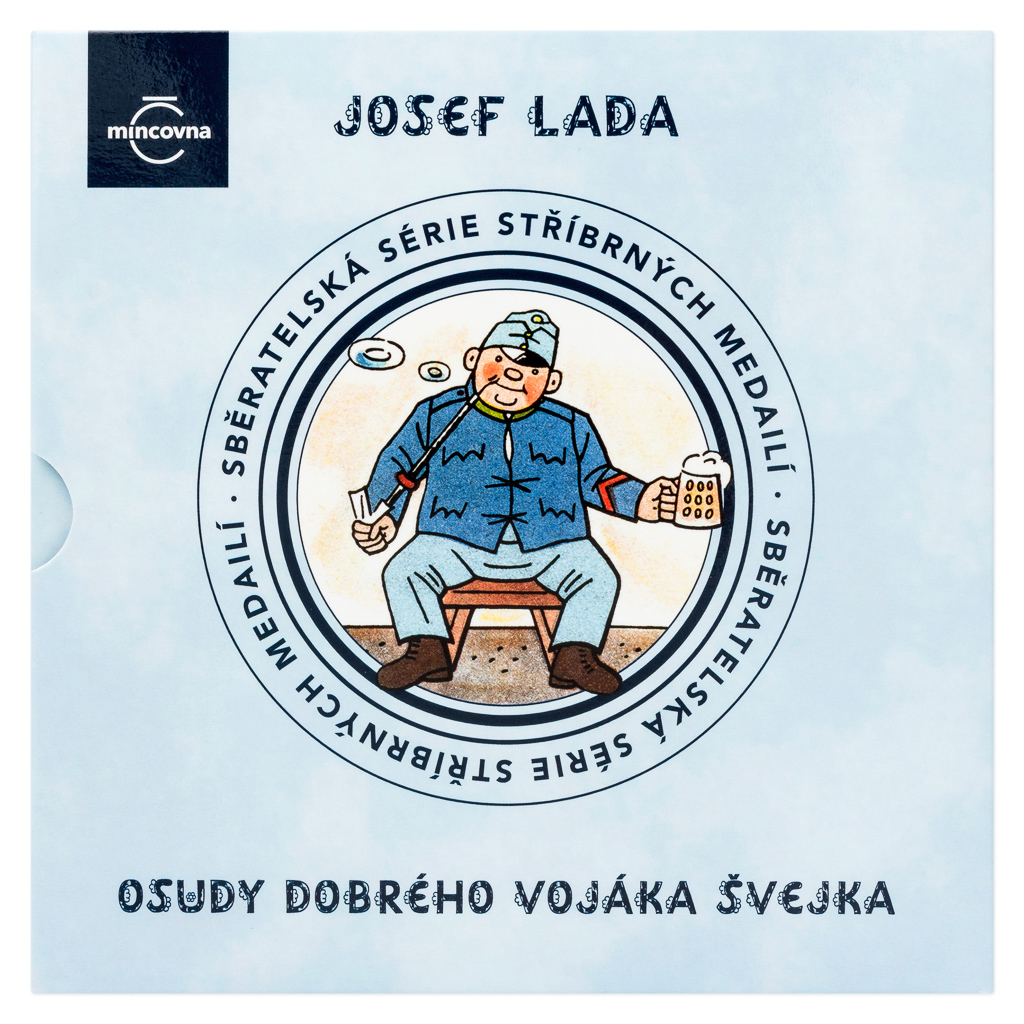
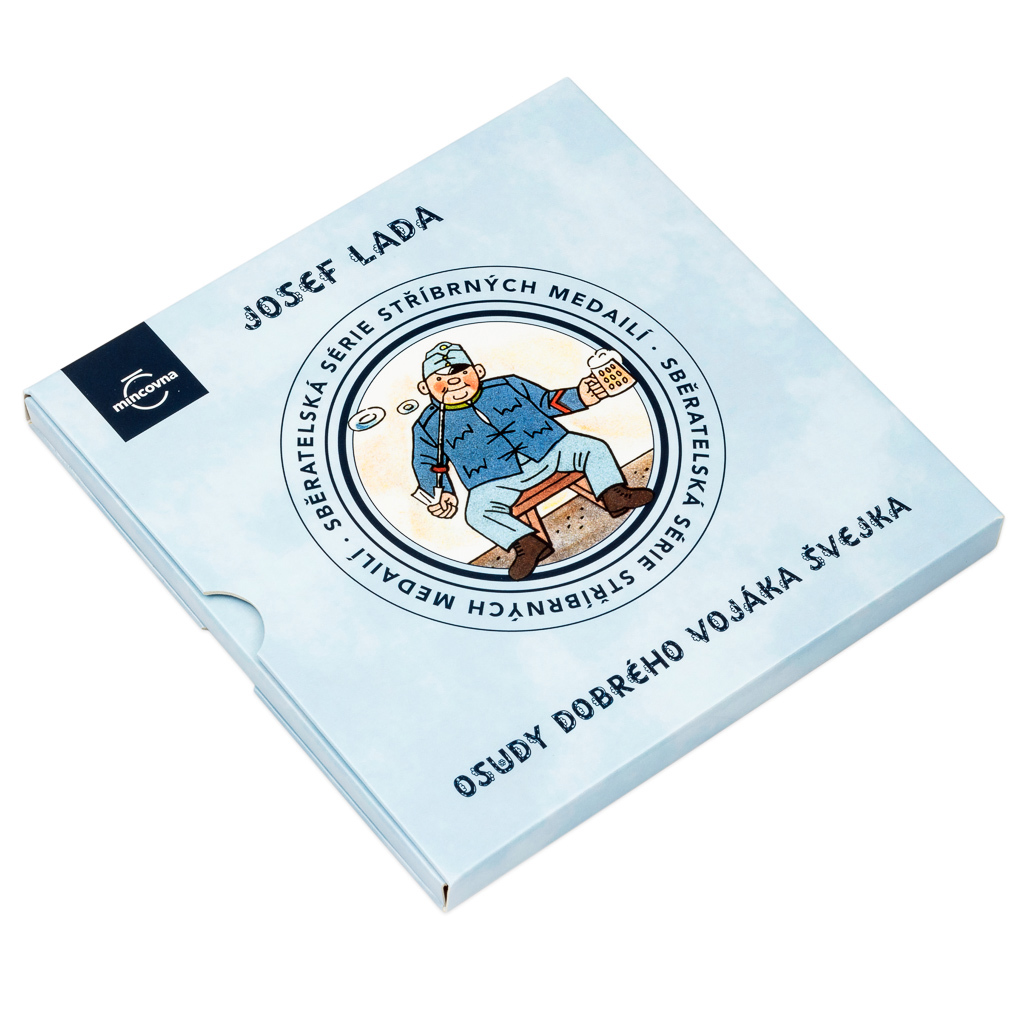
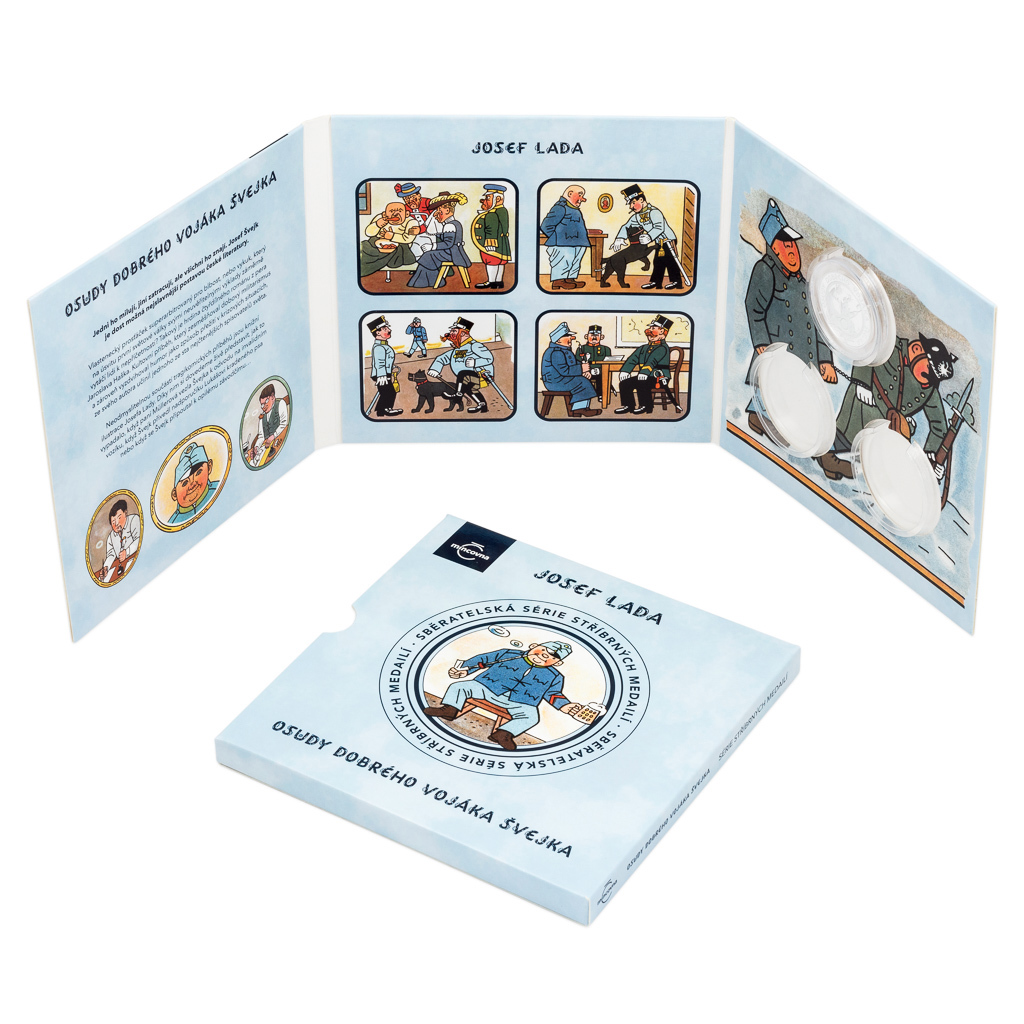
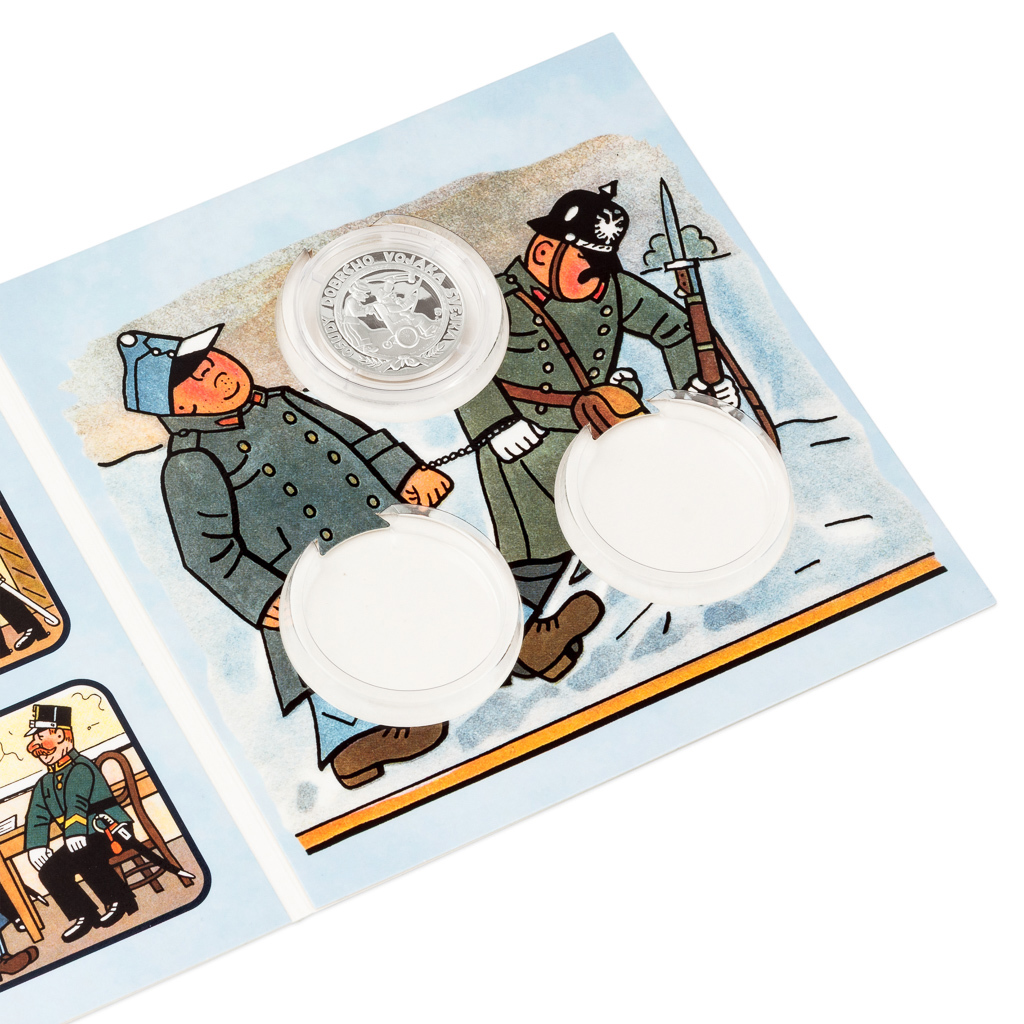
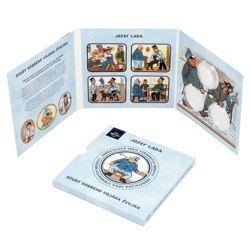
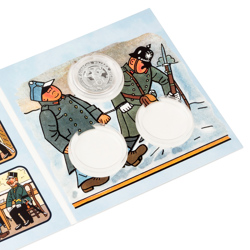
The first medal is set in a cheerful collector’s album, which can hold two more issues.
Specifications
Related products

You have currently an unfinished repurchase request in your shopping cart. The shopping cart must be completed or deleted to create a new request.
To delete your repurchase cart and start a new repurchase, select "Delete repurchase cart and start a new repurchase".
If you want to continue with the pending request, select "Continue to repurchase cart".
You currently have an unfinished repurchase request from the safe in your repurchase cart. It is not possible to combine repurchase from the safe with repurchase of unstored products. To create a new request, the repurchase cart must be completed or deleted.
To delete your repurchase cart and start a new repurchase, select "Delete repurchase cart and start a new repurchase".
If you want to continue with the pending request, select "Continue to repurchase cart".